Zero Liquid Discharge Systems
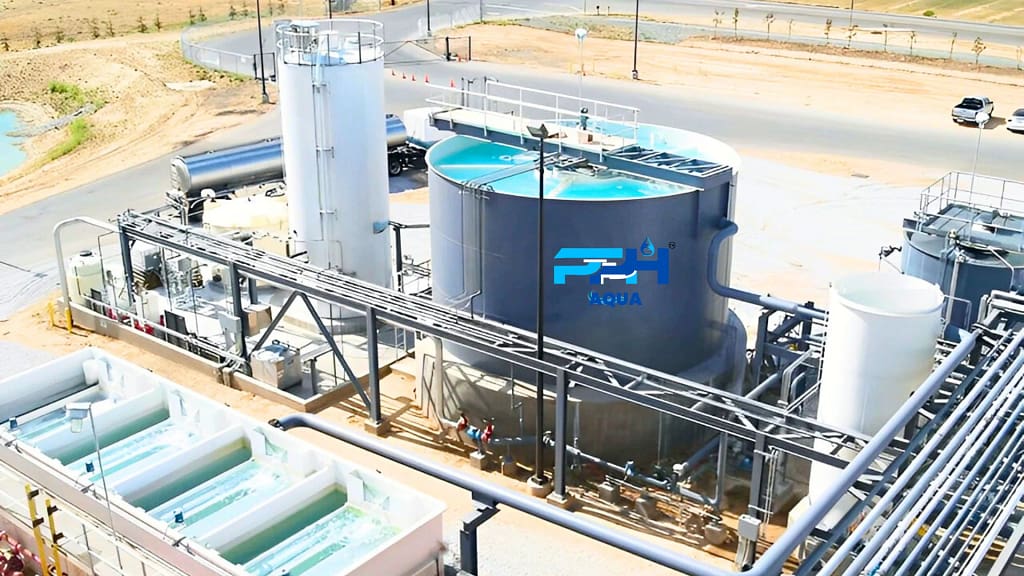
Zero Liquid Discharge (ZLD) is a type of advanced wastewater treatment system that prevents the discharge of any liquid wastes into the environment. ZLD treatment systems will reclaim, treat and recycle almost all of the waste water produced by different types of industries, thus providing a very effective and environmentally sustainable method for treating and reusing industrial wastewater.
The ZLD treatment process is capable of extracting most of the dissolved solids, chemicals and hazardous substances out of the wastewater; and therefore produces a clean, reusable water product for various industrial uses. The only other material produced by the ZLD treatment process will be solid waste which can either be disposed of safely or reused depending on the requirements of the industrial line.
As indicated by the name of the process, Zero Liquid Discharge systems create no waste liquid that gets discharged into the natural water bodies like rivers and soil; thereby assisting the commercial and industrial industries in meeting their environmental obligations and supporting the development of long-term sustainable water management practices.
Industries That Use Zero Liquid Discharge (ZLD) Systems
Zero Liquid Discharge (ZLD) Systems are typically implemented in industries that produce large amounts of wastewater or are restricted to strictly comply with environmental regulations. In addition to providing assistance to the industry with recycling water and preventing pollution, ZLD Systems allow these businesses to operate more sustainably than traditional methods.
-
Textile & Dyeing Units:- These industries generate colored and chemical-rich wastewater, making ZLD essential for water recovery and pollutant removal.
-
Pharmaceutical Companies:- ZLD ensures complete treatment of high-strength effluents containing solvents, chemicals, and drug residues.
-
Power Generation Plants:- Thermal and power plants use ZLD to treat cooling tower blowdown and reuse water, reducing freshwater demand.
-
Chemical & Fertilizer Factories:- Chemical industries require ZLD to handle complex effluents and achieve full environmental compliance.
-
Food & Beverage Processing Units:- ZLD helps in treating organic-rich effluents while recovering reusable water for non-potable applications.
-
Tanneries & Leather Industries:- These units generate highly contaminated wastewater that must be treated using ZLD for safe water recovery and disposal.
Benefits of Zero Liquid Discharge (ZLD)
- Environmental Protection
Zero Liquid Discharge (ZLD) ensures that no liquid waste is released into the environment through the prevention of contamination of rivers, lakes, and groundwater.
- High Water Recovery
With the recent advancement in technology, today’s modern ZLD systems can recover 95% to 98% of water from industrial wastewater, allowing for maximum reuses and minimising reliance on aqueous freshwater sources.
- Long-term Cost Reduction
By having access to reused treated water and eliminating the costs associated with the discharge of waste into the environment, industries can achieve significant operational cost savings.
- Resource Recovery
Through the use of ZLD systems, companies can recover valuable resources, such as salts and minerals, which can either be reused or disposed of properly.
- Corporate Sustainability & Compliance
Implementing ZLD demonstrates an organisation’s commitment to environmental responsibility, helps the company achieve its sustainability objectives, and supports compliance with local and national pollution control laws.
Why Zero Liquid Discharge Is Essential for Modern Industries
Using Zero Liquid Discharge (ZLD) goes beyond how water is treated; it indicates companies’ dedication to sustainable growth through industrial production. Companies are challenged with increasing available water scarcity, and also strict growing environmental laws expanding on how they must conduct business and maintain an ecological footprint.
Utilising a ZLD system efficiently through good design, efficient operation and proper maintenance of the ZLD system will result in industries moving forward to a circular economy, in which water will always be recycled, waste will be reduced/controlled, and each drop of water will be properly utilised.