Stainless Steel RO Systems
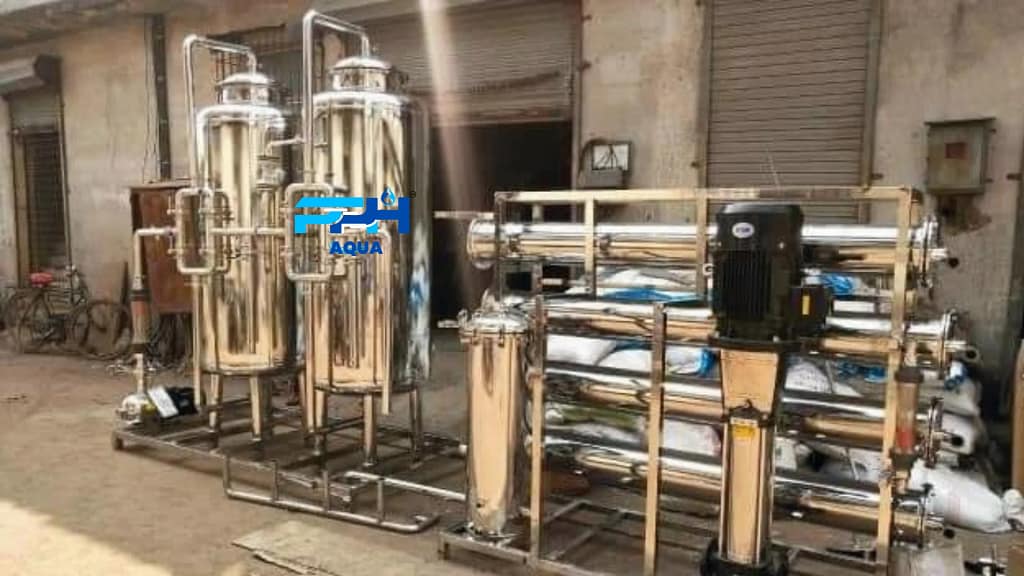
High quality stainless steel RO systems are manufactured from stainless steel of high quality such as SS304 or SS316, both of which have attractive qualities of strength and resistance to chemical reactions.
The fact that these systems do not react with the water they treat nor leach any contaminants means that these systems are proving to produce high-quality product water without contamination. As well, the structural integrity of the RO systems provides a level of dependability in their operation under extreme pressures, high temperature variations, and continuous operational cycles in vapor-intensive industrial environments.
Because of these qualities of stainless steel RO systems, they provide a consistent quality of water even under demanding operating conditions.
Applications of Stainless Steel RO Systems
- Food & Beverage Industry – Ensures purified water for ingredient mixing and cleaning.
- Pharmaceutical Industry – Meets stringent water quality standards for manufacturing.
- Dairy Plants – Provides safe water for milk processing, CIP systems, and equipment washing.
- Hospitals & Laboratories – Delivers pathogen-free water for sensitive applications.
- Water Bottling Plants – Ensures high-quality purified water for packaging.
- Hotels & Commercial Kitchens – Supplies clean water for cooking and serving.
Benefits of Stainless Steel RO Systems
- Hygiene and Safety: Stainless steel is non-reactive and does not leach chemicals into the water. This makes these RO systems ideal for industries where water purity is critical, such as pharmaceuticals, food processing, and dairy.
- High Durability: Unlike plastic or powder-coated systems that degrade over time, stainless steel RO systems can withstand extreme temperature, pressure, and chemical exposure — ensuring years of trouble-free operation.
- Corrosion Resistance: Thanks to the anti-corrosive properties of stainless steel, these systems are ideal for hard water or saline water treatment. Even in coastal or humid environments, the material remains rust-free.
- Easy to Clean and Maintain: Stainless steel has a smooth surface that resists bacterial growth and is easy to sanitize.
Working Principle of Stainless Steel RO Plants
Raw water must first be pre-treated before it enters the system via Sand Filters to remove any suspended particles and Carbons to remove any chlorine.
After pre-treatment, water is forced through the Reverse Osmosis (RO) Membrane using pressurised water where all dissolved solids are rejected, and only pure water (permeate) is collected for use.
The Stainless Steel Enclosure helps keep the system stable and free from contamination, as well as supports the ongoing operation in an industrial environment.
Why Stainless Steel RO Systems Are a Smart Investment
Stainless steel RO systems are an asset to industries where water quality can impact product quality, safety, and operational efficiency.
Stainless steel RO systems help reduce the potential for contamination, minimize maintenance problems, and ensure compliance with hygiene and regulatory requirements. The durable construction helps prevent frequent system failures and production interruptions.
Selecting a stainless steel RO system allows industries to experience the long-term benefits of reliability, safety, and cost savings.
Conclusion
Stainless Steel Reverse Osmosis Systems combine durability and hygiene with excellent performance. Built for the most difficult industrial applications, stainless steel RO Systems consistently produce purified water that exceeds the highest levels of safety and quality.
Stainless steel RO plants are a smart choice for any industry that requires a reliable, sustainable source of water for purification and processing purposes. They provide an excellent barrier to corrosion, are easy to maintain, and have a long operational life. Stainless steel RO systems help minimize contamination risks, support regulatory compliance with industry standards, provide better reliability to a process, and help ensure that critical operations continue uninterrupted by providing a secure, dedicated supply of water that is also a key resource of industrial growth making them a valuable long-term investment for industrial growth and sustainable water management goals.