Effluent Treatment Plants
Effluent Treatment Plants (ETPs) are essential systems designed to treat industrial wastewater and make it safe for discharge or reuse. As industries continue to expand and environmental regulations become stricter, efficient and sustainable wastewater treatment has become more important than ever. Industrial effluents often contain harmful chemicals, suspended solids, organic matter, oils, grease, and toxic substances that can severely damage the environment if released untreated.
ETPs play a crucial role in protecting natural water bodies, conserving freshwater resources, and helping industries comply with pollution control standards. A properly designed Effluent Treatment Plant removes contaminants from industrial wastewater, ensuring that the treated water meets regulatory discharge norms or can be reused for various non-potable applications.
The design and treatment process of an Effluent Treatment Plant varies depending on the type of industry, the volume of wastewater generated, and the composition of the effluent. This customized approach ensures effective treatment, operational efficiency, and maximum recovery of reusable water while minimizing environmental impact.
Main Processes in an Effluent Treatment Plant (ETP)
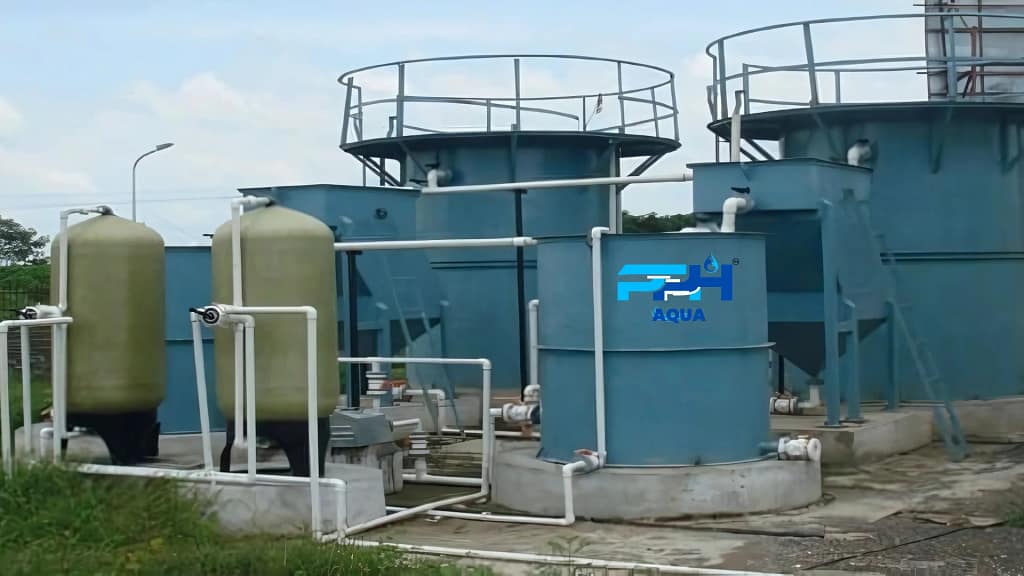
An Effluent Treatment Plant typically consists of multiple treatment stages that work together to achieve the desired water quality.
Preliminary Treatment:- This is the first stage of the ETP process and involves screening to remove large floating materials such as plastic, paper, cloth, and debris. Grit removal units are used to eliminate sand, silt, and small stones that may damage downstream equipment or reduce treatment efficiency.
Primary Treatment:-During primary treatment, physical and chemical processes are used to remove suspended solids, oil, grease, and heavy particles from the wastewater. Coagulation and flocculation are commonly applied at this stage, allowing fine particles to clump together and settle as sludge. This step significantly reduces the pollutant load entering the biological treatment stage.
Secondary (Biological) Treatment:-Microorganisms—either aerobic or anaerobic—break down dissolved organic matter. Common biological systems include activated sludge processes, aeration tanks, and bio-towers.
Tertiary Treatment:- This advanced polishing stage includes filtration, activated carbon, UV disinfection, and reverse osmosis to remove remaining impurities and ensure high-quality treated water suitable for safe discharge, industrial reuse, and long-term environmental sustainability while meeting strict regulatory and quality standards consistently.
Benefits of Effluent Treatment Plants
Reduces Environmental Pollution:- ETPs remove harmful contaminants from industrial effluents before discharge, protecting rivers, lakes, and groundwater resources while preserving aquatic life and ecosystems.
Water Reuse and Conservation:- Treated wastewater can be reused for gardening, cooling towers, flushing, washing, or specific industrial processes, significantly reducing freshwater consumption and dependence on external water sources.
Regulatory Compliance:- Effluent Treatment Plants help industries comply with CPCB and SPCB pollution control norms, reducing the risk of legal penalties, fines, and operational shutdowns.
Cost-Efficient in the Long Run:- Although an ETP requires initial investment, it helps industries save money over time by reducing water procurement costs, minimizing penalties, and improving overall resource utilization.
Supports CSR & Sustainability:- Installing an ETP strengthens an organization’s commitment to environmental responsibility, sustainability, and corporate social responsibility, enhancing brand reputation and stakeholder trust.
Why Every Industry Needs an ETP
Effluent Treatment Plants are not just regulatory requirements—they are essential systems for sustainable industrial growth. Whether it is a small-scale manufacturing unit or a large industrial facility, a well-designed and efficiently operated ETP ensures cleaner discharge, regulatory compliance, and long-term operational stability.
Industries such as textiles, pharmaceuticals, chemicals, food and beverage, pulp and paper, electroplating, and automotive manufacturing generate complex wastewater that must be treated responsibly. By implementing an efficient Effluent Treatment Plant, industries can protect the environment, conserve valuable water resources, and contribute to a cleaner and greener future while maintaining smooth and compliant operations.